

Our Guide to Buying an Affordable Mattress in NZ

A good night's sleep doesn't require a $2,000 mattress. But walking into the NZ market without knowing your pocket spring from your hybrid can make it easy to spend a lot more than you need to.
There are four main mattress types you'll come across when shopping in New Zealand: pocket spring, memory foam, hybrid, and innerspring. Each works differently, suits different sleepers, and comes in at a different price point.
Our guide breaks them all down so you can make a confident call without overthinking it.
The Main Mattress Types You'll Find in New Zealand
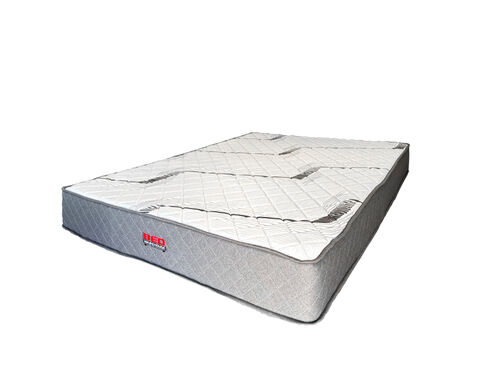
Innerspring (Bonnell Spring) Mattresses
Innerspring mattresses are the original mattress design; all the coils are connected in a single system and move together as one surface. They're less common now that pocket spring technology has become widely available at affordable prices, but you'll still come across them.They do the job for a guest room or a kids' bed, and they tend to be the cheapest spring option available. Unless you're furnishing a spare room on a very tight budget, a pocket spring is worth the small step up in price.
Best for: Guest rooms, kids' beds, very tight budgets.
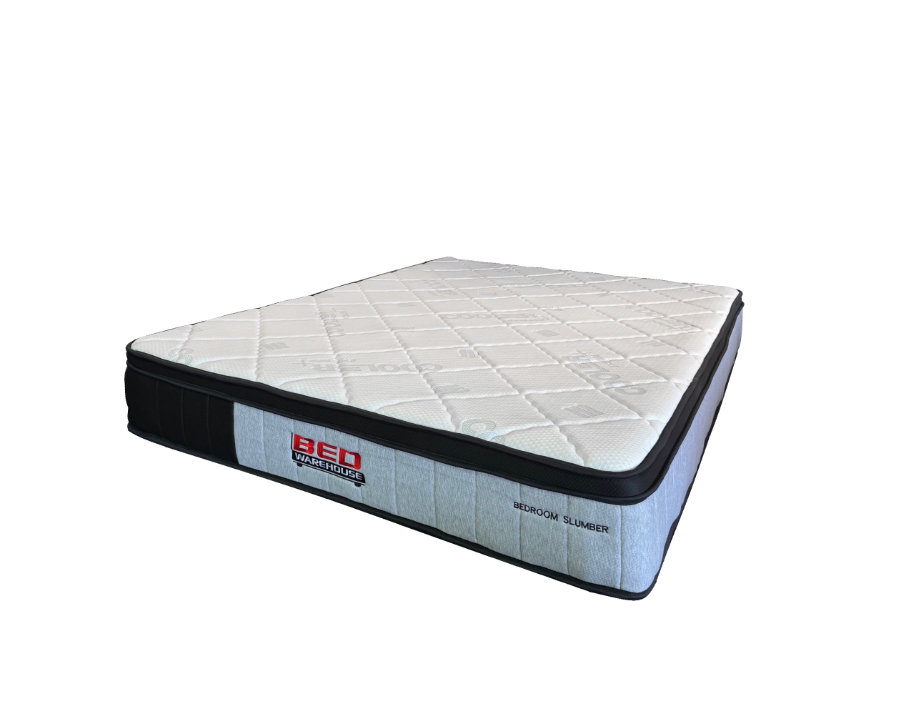
Pocket Spring Mattresses
Pocket spring mattresses use individually wrapped coils where each spring sits in its own fabric pocket and moves independently. The big advantage of this design is motion isolation. When your partner moves, you don't feel it. The spring construction also allows air to circulate, so pocket spring mattresses tend to sleep cooler than all-foam options. A good 5-zone system will give you firmer support through the hips and lower back, with softer tension at the shoulders, which makes a real difference for spinal alignment overnight.They're also built to last.
Most quality pocket spring mattresses hold up well for seven to ten years, which makes them a good value even if the upfront cost is slightly higher than a basic foam mattress.
Best for: Couples, side sleepers, back sleepers, and anyone after long-term value.
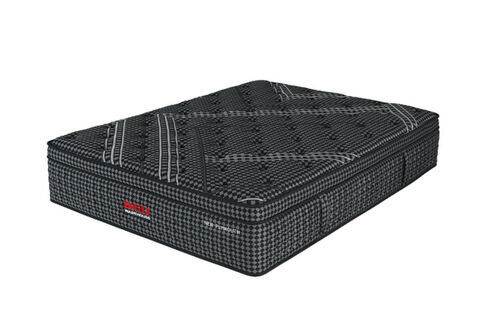
Memory Foam Mattresses
Memory foam mattresses are made from layers of high-density foam that respond to your body heat and weight, slowly contouring to your shape. The result is a close, cushioning feel that works well for pressure relief around the hips and shoulders.
The main thing to watch out for with foam mattresses is heat. Traditional memory foam traps warmth, which can be uncomfortable if you run hot at night. If that's you, look for open-cell or gel-infused options.
Best for: Solo sleepers, side sleepers, people with joint or pressure point issues.
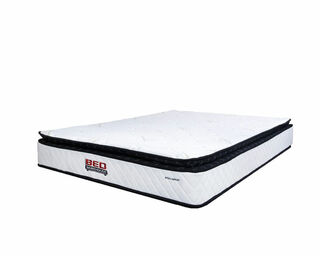
Hybrid Mattresses
A hybrid mattress combines a pocket spring base with foam or memory foam comfort layers on top. The idea is to get the support and durability of springs alongside the contouring feel of foam.They're generally more expensive than a straight pocket spring or foam option, and the quality varies quite a bit depending on the thickness and density of the comfort layers. That said, not every hybrid needs to carry a premium price tag.
A pocket spring mattress with thick, high-density foam comfort layers, like the Slumber or Spinal Support ranges, gives you the same benefits without the markup.
Best for: Couples, combination sleepers, and anyone unsure between spring and foam.
Which Mattress Type Suits Your Sleep Style?
Not all mattresses suit all sleepers. Here's how to match the type to the way you actually sleep.
- Side sleepers: need cushioning at the shoulders and hips, so a softer pocket spring works well. Our Slumber range is our softest option at a firmness of 4/10, with a euro top and high-density foam comfort layers that take the pressure off without sacrificing support.
- Back sleepers: need firmer support to keep the spine properly aligned overnight; a mattress that's too soft will let your hips sink. The Dreamer range is a solid medium-firm option at 6/10, with pocket springs and high-density foam that keeps your back properly supported without a big price tag.
- Combination sleepers: need a mattress that responds quickly to movement rather than one that moulds slowly around you, so a medium-firm pocket spring is the practical choice.
- Hot sleepers: are better off with a pocket spring or hybrid; the spring construction allows air to circulate through the mattress, which makes a noticeable difference on warm nights.
- Couples: should prioritise motion isolation above most else, individually wrapped pocket spring coils mean your partner's movements stay on their side of the bed.
Once you know your sleep style, the decision narrows down quickly. The next question is usually about price.
What to Look for When Buying an Affordable Mattress
Price matters, but it's not the only thing worth checking. Here's what to look for to make sure you're getting genuine value rather than just a low number:
- Zoned support: A 5-zone pocket spring system tailors the tension to different parts of your body, firmer through the hips and lower back, softer at the shoulders. A uniform spring setup doesn't do this, and you'll notice the difference over time.
- Foam quality: High-density foam comfort layers last longer and resist sagging. Look for eco foam with no nasty chemicals; it's better for you and holds up better.
- Fabric: Bamboo or cotton fabric is breathable and more comfortable against the skin than synthetic alternatives.
- Warranty: A minimum of five years is a good baseline. Most of our range carries a 5-year guarantee, and our bases come with a 10-year guarantee.
- Delivery: Vacuum-packed and rolled in a box means no waiting around for a delivery truck, it fits in your car, and you can set it up the same day.
Sleep Well Without Overspending
A good night's sleep in NZ doesn't require a premium price tag, just the right type of mattress for the way you sleep. Now you know what each type offers, what to look for, and what a fair price looks like, the decision is a lot simpler than the marketing makes it seem.
Posted: Monday 20 April 2026